TUE Dec 9, 2025
Berlagezalen, Faculty of Architecture and the Built Environment, TU Delft

Conference
On the question of the The Week
9:00 – 17:00
Details
Spatial planning and design are oriented towards the future and grounded in visionary thinking. They are also committed to the idea of justice when envisioning a better world. But how do we – scholars, practitioners, students – consider justice for those who will live in the future? The worrying absence of intergenerational justice in spatial planning is the focus of this year’s Big Question Week. In the mini-conference we will unpack and explore the question with a keynote speaker from practice (Mare de Wit), a keynote speaker from academia (Daniel Galland), and four carefully curated interactive sessions.
- The conference will consist of two parts: in the morning, there is a plenary session with keynotes and discussion. After lunch, there will be four thematic breakout sessions
- After the conference, it is possible to attend the BK Talks on ‘Intergenerations’, which will commence at 17:30 in the Orange Hall
KEYNOTE speakers
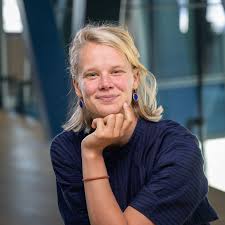
Mare de Wit
Future ambassador at the Delta programme and the Ministry of Infrastructure and Water Management
Initiator of the ‘Future on the Table’
Embedding the Future
at the Table: Involving and
protecting tomorrow in the
decisions we make today
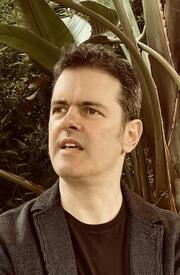
Daniel Galland
Associate Professor, Aalborg University
Author of key publications on temporality and intergenerational justice in spatial planning
The question of intergenerational equity: In what sense a spatial planning problem?
thematic breakout sessions
Spatial Justice otherwise
curated by Caroline Newton and Marh Echtai
Location: Berlagezalen 1
Know more
This session asks how spatial justice needs to be rethought for polycrisis conditions and intergenerational responsibilities. Climate, energy, economic and geopolitical shocks disrupt the contexts in which plans are made and implemented, often shifting harm onto those with the least voice, now and in the future. We explore justice not only as redistribution, recognition and procedure, but as a relational and anticipatory practice that must operate under uncertainty and across unequal power relations. Through short inputs from different positionalities and a collective discussion, we will start assembling a shared yet contestable vocabulary of “spatial justice otherwise” – one that can travel between liberal and illiberal settings, between human and more-than-human concerns, and that helps planners, designers and communities evaluate how today’s decisions condition tomorrow’s freedoms.
Format & speakers
- Siobhan Airy – Opening keynote on legal and intergenerational lenses on justice
- Johnathan Subendran – Spatial justice in conflict and ‘post-conflict’ contexts
- Gosia Rybak – Feminist and care-centered approaches to planning and design
- Hugo Lopez – Relational perspectives on spatial justice otherwise
Curators
Caroline Newton is an architect, urban planner, and political scientist, working on the nexus of design, spatial justice, and social change. She is an associate professor at the Department of Urbanism at TU Delft and one of the founders of TU Delft’s Centre for the Just City.
Marh Echtai is an urbanist and PhD researcher in Spatial Planning at TU Delft whose current research rethinks rural revitalization through the lens of spatial justice. Drawing on experience in conflict-affected and marginalized territories, her practice bridges critical research, design, and insurgent planning.
Alternatives to Growth
curated by Oana Druta and Ana Poças
Location: BG West 670
Know more
What is degrowth? How does it relate to intergenerational justice? How does the growth paradigm contribute to the housing crisis, and intergenerational (in)justice? What would a degrowth paradigm for Housing look like? How is Planning practice shaped by the growth paradigm? How to engage with intergenerational justice in practice? These are some of the questions we will address in this session. With three short presentations and time for a collective discussion and reflection, we will explore what is needed to explore alternatives to growth in the Planning discipline and practice.
Programme
- Introduction to degrowth & planning by Ana Poças, TU Delft
- Growth, degrowth and the Housing crisis by Oana Druta, TU Eindhoven
- Critical views from practice by Igor Sladoljev, de Architekten Cie.
Curators
Ana Poças is a post-doc at TU Delft. Ana ran for mayor of her city, researched circularity and systems of consumption and has been engaged in degrowth, climate, and sustainable mobility movements in Portugal and the Netherlands. She is a co-founder of the Dutch and Portuguese Degrowth Networks.
Oana Druta is Associate Professor of Housing and Inclusive Urban Living at TU Eindhoven. She has more than a decade of experience studying intergenerational dynamics and family support for housing. Her recent work has expanded to include post-growth futures, commoning, community resilience, more-than-human thinking and feminist care ethics.
Igor Sladoljev, Architect & Head of Research at de Architekten Cie., is an architect and urban designer working at the intersection of technology, economic systems, and the urban environment. Igor has led complex urban transformation projects and, together with Pinar Balat, developed City Forest Communities, a multidisciplinary initiative focusing on ecological and spatial justice through resident-led nature stewardship in Rotterdam.
Democracy
curated by Marcin Dabrowski, Verena Balz, Neli Georgieva and Cinco Yu
Location: BG West 350
Know more
Rebuilding Trust and Relevance for Intergenerational Engagement in Planning for Sustainability Transitions
This interactive and mobile session explores how to engage citizens from different generations in decisions concerning sustainability transitions, against the backdrop of a crisis of democracy and declining trust in institutions. We begin with pitch presentations drawing on the Horizon Europe DUST project, highlighting the role of trust and relevance for meaningful participation in territorial policies, along with testimonies from work with generations of coal mining families in the Silesian transition region (Poland). Participants will then join a walking discussion across the TU Delft campus, reflecting on questions of trust, relevance, and time that prepare them for a co-creation workshop in the TU Delft Aula, against a backdrop of the DUST exhibition ‘Hopes and Dreams of Communities Facing Sustainability Transitions’. The researchers and artists who accomplished the exhibition will outline how these future imaginaries were co-produced with least-engaged communities in four regions. Participants will identify existing and emerging practices, tools, and actions that can help build intergenerational trust and shape visions for more sustainable futures. These contributions will feed into a conceptual “map of trust and relevance” for intergenerational engagement in territorial transition strategies.
Organizers & moderators
Marcin Dąbrowski (TU Delft), Neli Georgieva (EPRC-Delft), Verena Balz (TU Delft), and Cinco Yu (TU Delft)
Speakers and discussants
- Neli Georgieva, European Policies Research Centre Delft (EPRC-Delft)
- Marcin Baron, University of Economics Katowice, Poland
- Ioana Forgaci, Faculty of Technology, Policy & Management, TU Delft
- Eva Pfannes and Sylvain Hartenberg, OOZE architects & urbanists
Program
- 15:30 End & walking back to the Faculty of Architecture and the Built Environment
- 12:30 – 13:00 Welcome & pitch presentations
- 13:00 – 13:30 Discussions while walking to the Aula
- 13:30 – 14:00 Presentations on the DUST exhibition & Q&A
- 14:00 – 15 :00 Workshop
- 15:00 – 15:30 Debate and summary of the main
take-aways
Feeling the Future
curated by Juliana Gonçalves, Wytske Versteeg and Peter Pelzer
Location: Berlagezalen 2
Know more
A workshop on taking emotion seriously when engaging with intergenerational justice
Taking intergenerational justice seriously means taking seriously our moral obligation to those not yet born. Such engagements often remain abstract and technocratic. But modeling the consequences of developing a highway through a neighbourhood is different from feeling the pain of those who have grown up or currently live in that neighborhood. What does it mean to connect the ‘system’ to the lifeworld? This workshop starts from the hunch that future-oriented policy processes are often hampered by the inability to take emotions seriously. How does (in)justice feel in the present? Can an exploration of such feelings sharpen our imagination, increase our capacity for intra- and intergenerational empathy, and potentially improve policymaking? What does it mean to embody justice for those who are not yet in the room? We will use storytelling to enabling participants to collectively take an interactive, personal journey. This might take you slightly out of your comfort zone – like all things worth exploring.
Format
This is an interactive workshop. You will be asked to share past and future emotions. We will convey these emotions through storytelling, in words and beyond that. The rest we will explain during the session, sometimes it is better not to know everything in advance.
Curators
- Juliana Gonçalves, Assistant Professor in the section of Spatial Planning and Strategy at TU Delft. Her research interests, publications and interventions revolve around prefiguration, decolonization, creative methods, climate change, and care.
- Wytske Versteeg, writer, researcher and thinker. Her fiction and non-fiction works have received numerous prizes, including the book Waar (‘Truth’), which was based on her PhD thesis. She regularly teaches in writing and storytelling.
- Peter Pelzer, Professor in the section of Spatial Planning and Strategy at TU Delft and ‘theme initiator’ of this year’s Big Question Week. He is worried about the fate of future generations and inspired by ways we can imagine alternative futures.
Session Curators
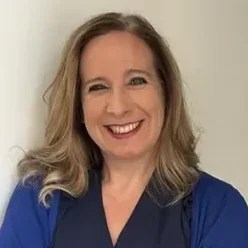
Caroline Newton
Associate Professor, TU Delft
Marh Echtai
PhD candidate, TU Delft
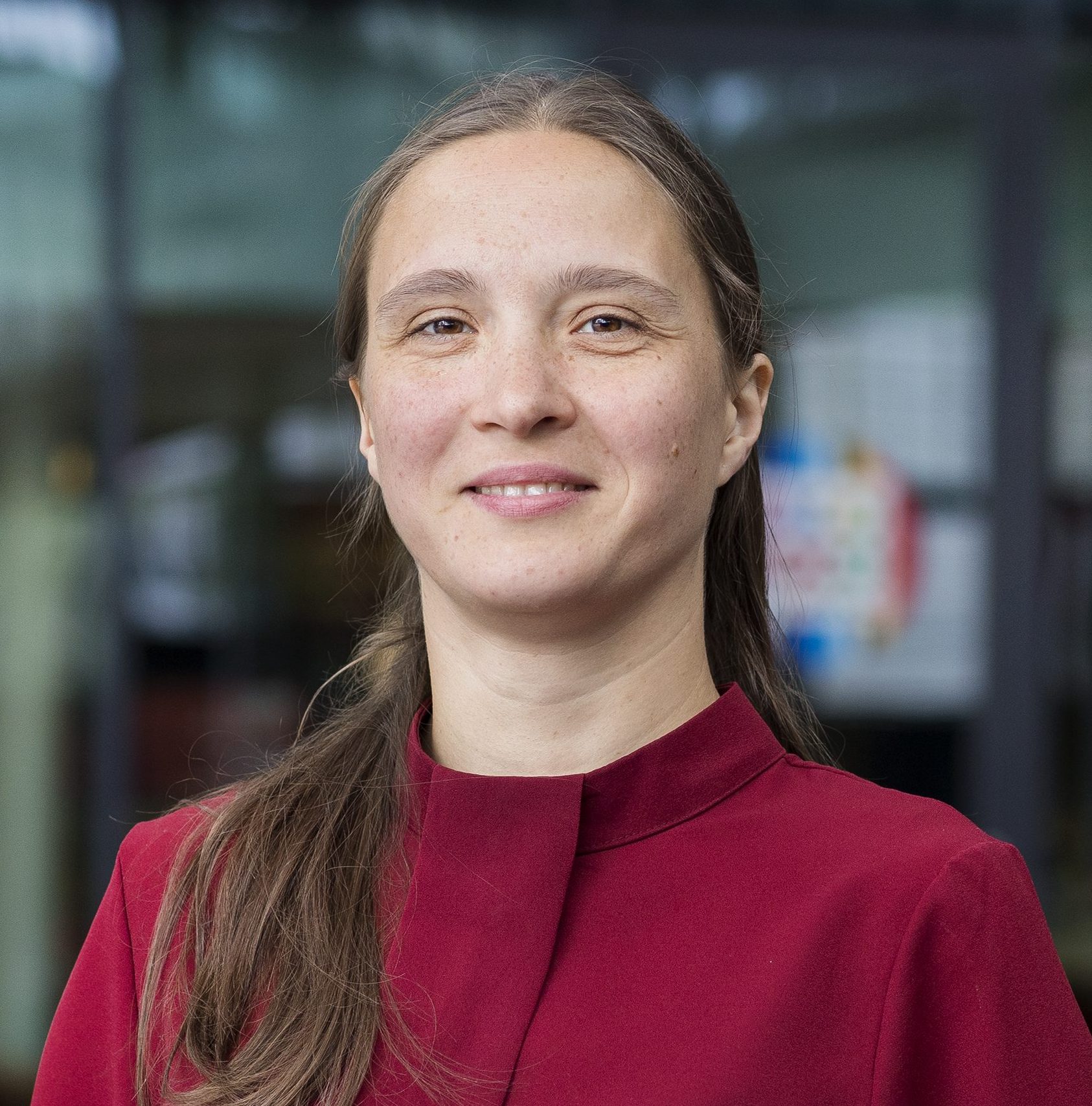
Oana Druta
Associate Professor, TU Eindhoven
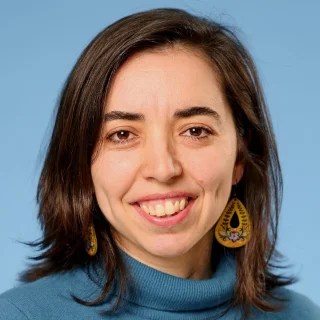
Ana Poças
Postdoctoral researcher, TU Delft
Marcin Dąbrowksi
Assistant Professor, TU Delft
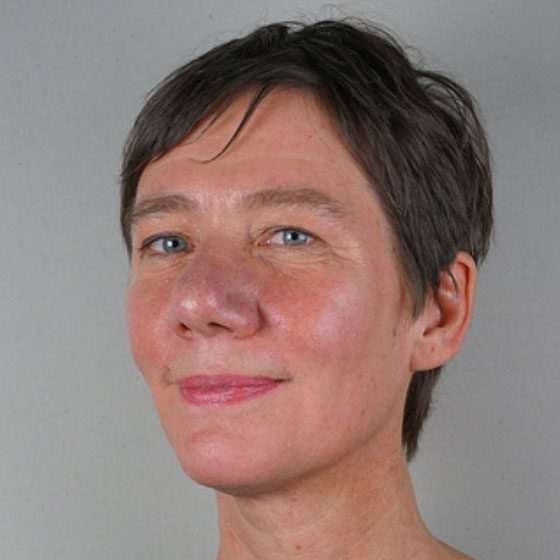
Verena Balz
Assistant Professor, TU Delft
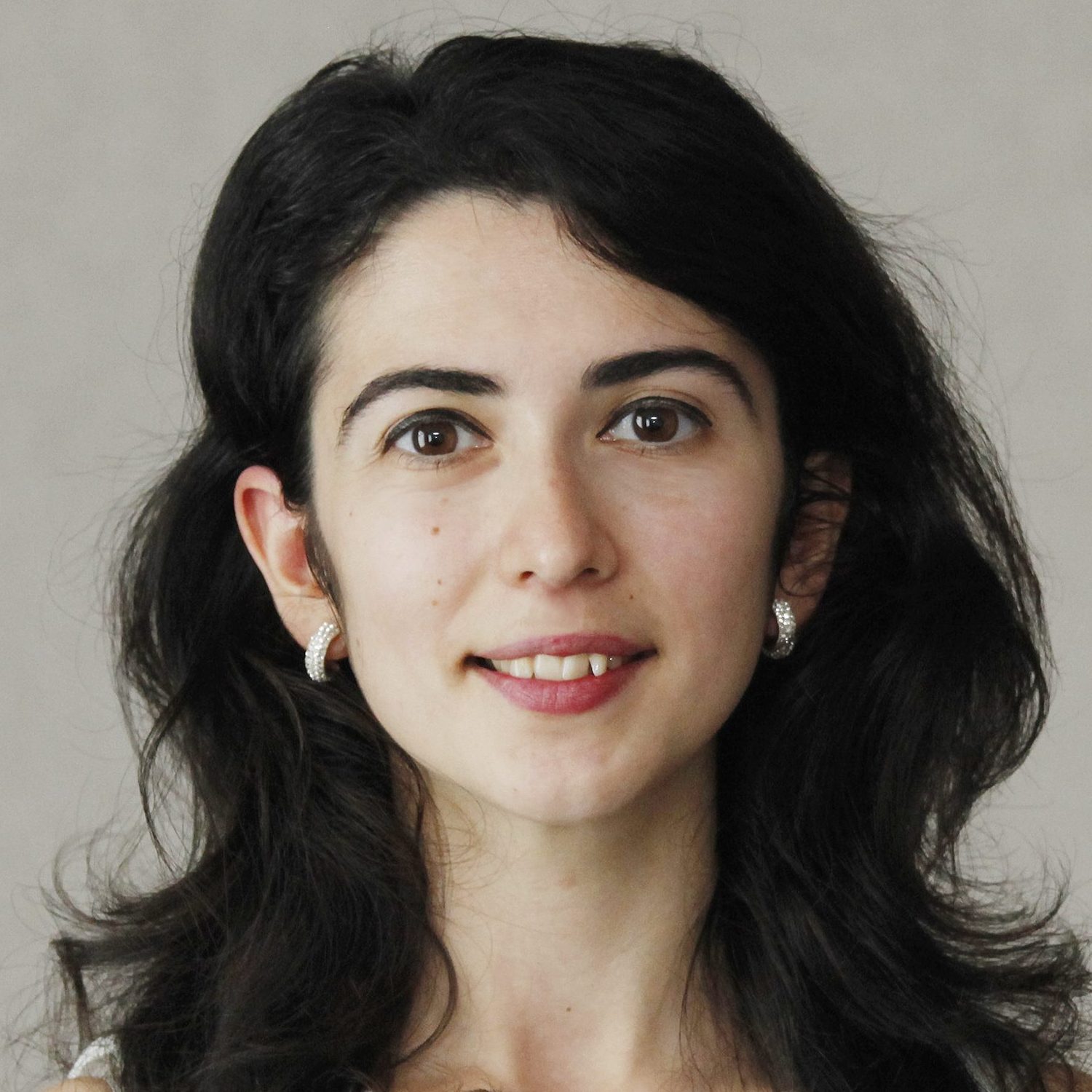
Neli Georgieva
European Policies Research Centre Delft
Cinco YU
Postdoctoral researcher, TU Delft
Juliana Gonçalves
Assistant Professor, TU Delft
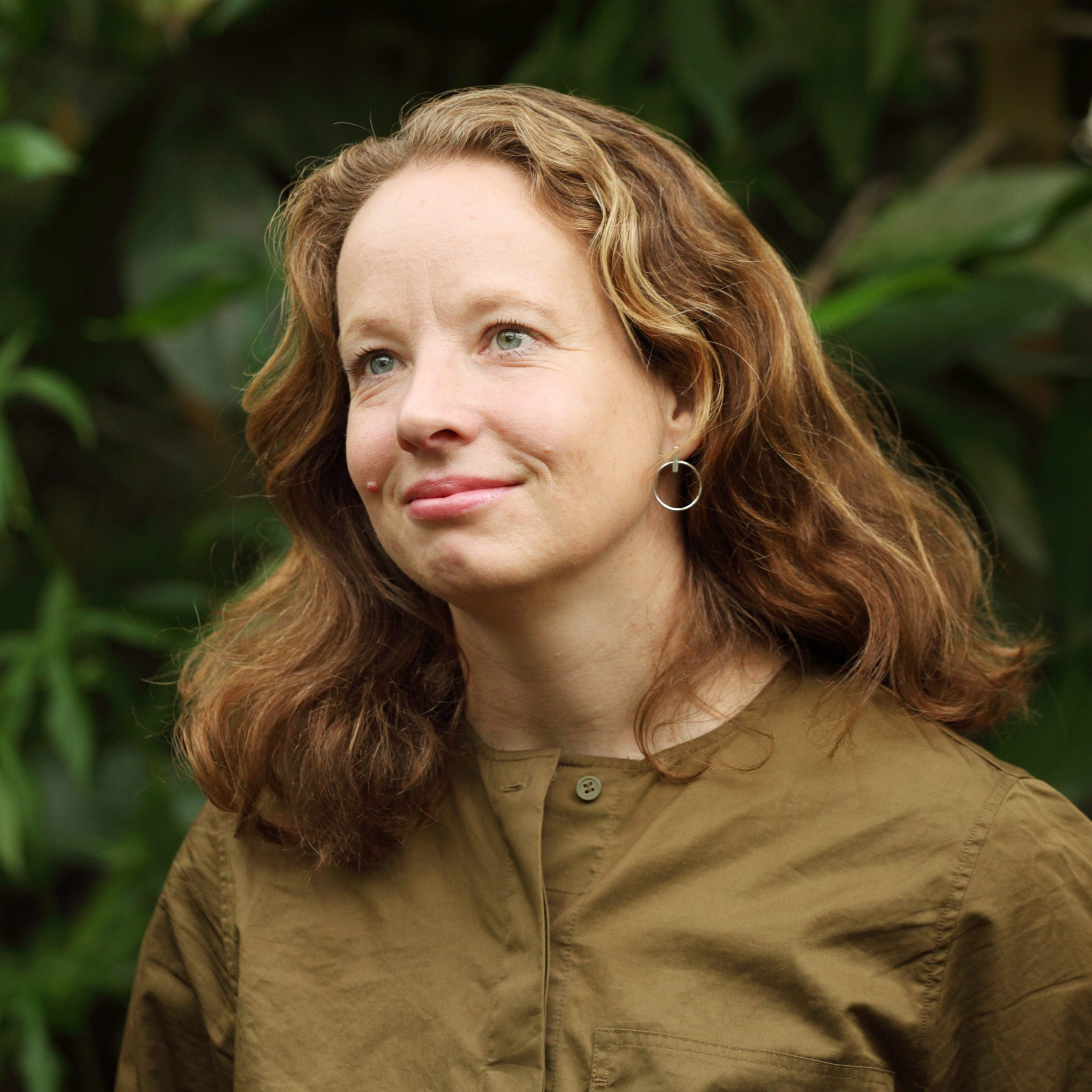
Wytske Versteeg
Writer, storyteller and scholar of knowledge and imagination
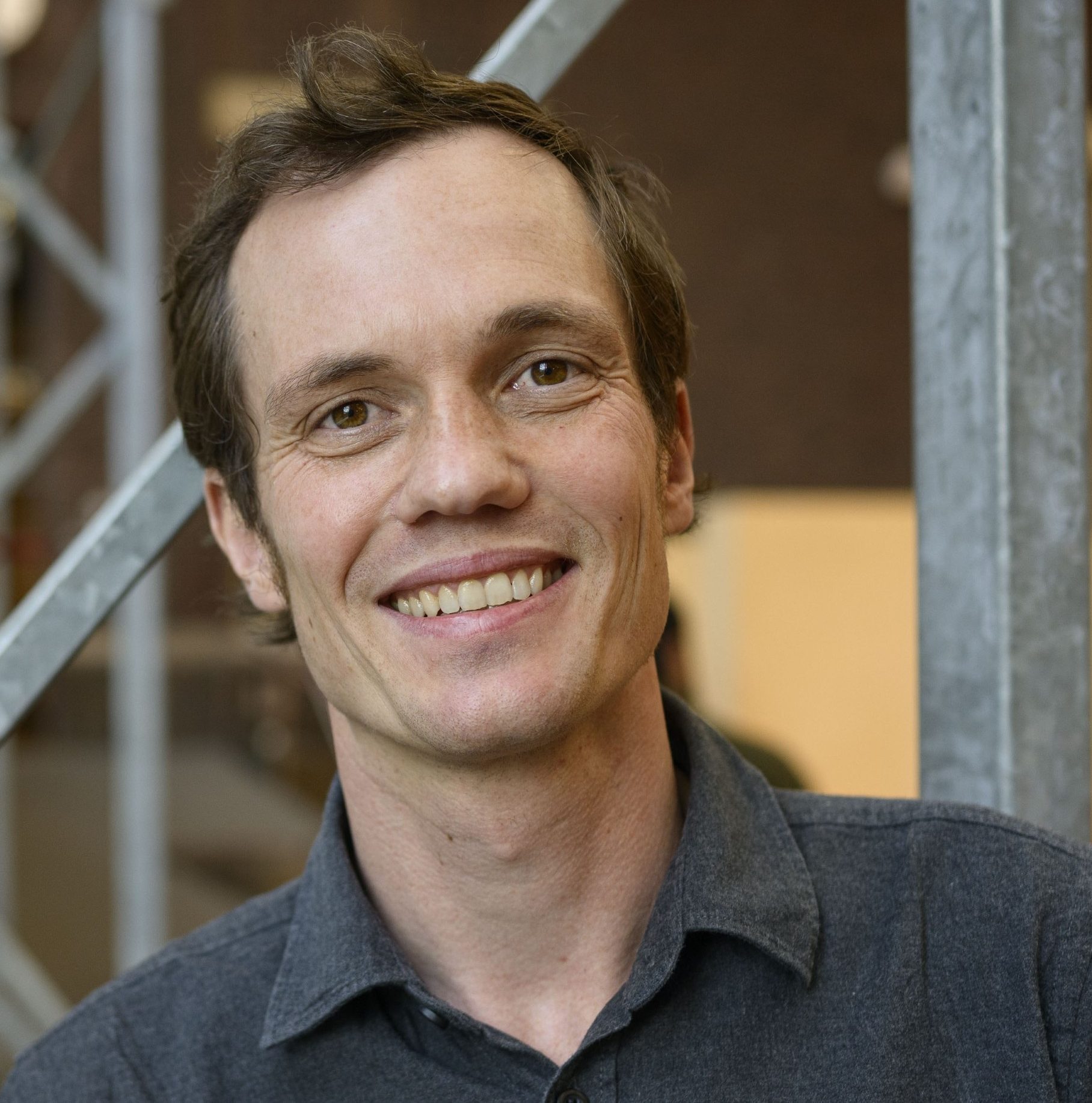
Peter Pelzer
Professor, TU Delft
Location
Hours
Contact
Designed with WordPress
 coming next!